Thinking About Gel Nails? Here’s Everything You Should Know
If you’re thinking about gel nails, you’re probably picturing a manicure that stays glossy and flawless long after you leave the salon. No chips by day three. No dull finish by week one. Just smooth, glassy color that looks as fresh as the moment it was done. As a professional nail tech, I can tell you gel absolutely delivers that kind of longevity — when it’s done correctly. But gel isn’t just a polish choice. It’s a maintenance commitment. The real difference between clients who love gel and clients who feel disappointed usually comes down to prep, removal, and daily habits in between. Before you book your next appointment, here’s everything you should know.
BEAUTY
What “Gel Nails” Actually Means (There Are a Few Types)
When clients ask for “gel nails,” they’re often referring to one specific look. Professionally, though, gel is a category, not a single product. Understanding the differences helps you choose what fits your natural nails and lifestyle.
Soft Gel Polish
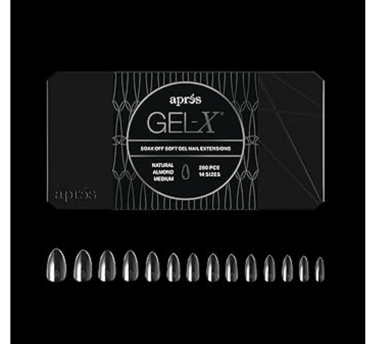
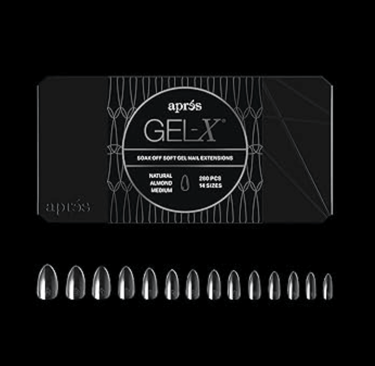
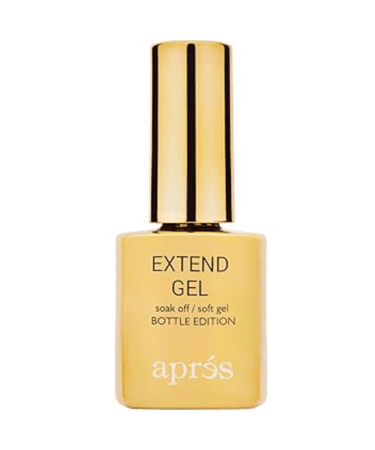
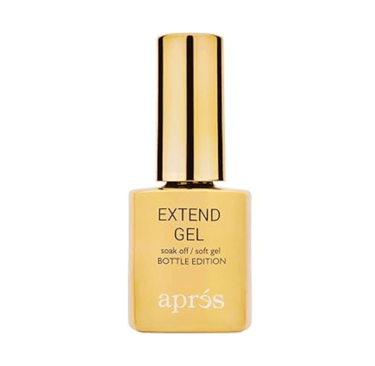
Soft gel polish is the classic gel manicure offered in most salons. It’s flexible, lightweight, and designed to enhance your natural nail without significantly altering its structure. It soaks off during removal and works beautifully for clients who simply want longer wear and consistent shine.
This option is ideal if your natural nails are relatively healthy and you don’t need added thickness or reinforcement. It gives polish-level elegance with extended durability.
Builder Gel
Builder gel is thicker and provides structural support. If your nails bend easily, peel at the edges, or feel fragile, builder gel can reinforce them during wear. It can also be used to create short extensions while maintaining a natural appearance.
This is often my recommendation for clients whose nails need a little extra strength without committing to long, sculpted enhancements.
Hard Gel
Hard gel is the most durable option and is typically used for sculpted extensions. Unlike soft gel, it does not soak off completely and must be filed down professionally. This system is best for clients who want added length and long-term structure.
If you’re new to gel, starting with soft gel polish is usually the most refined and low-risk introduction. We can always adjust based on how your nails respond.
How Gel Nails Work
Gel doesn’t air-dry the way traditional polish does. It cures.
When your nails are placed under a UV or LED lamp, a chemical reaction occurs that hardens each thin layer almost instantly. That’s why gel feels dry the second your hand comes out of the lamp.
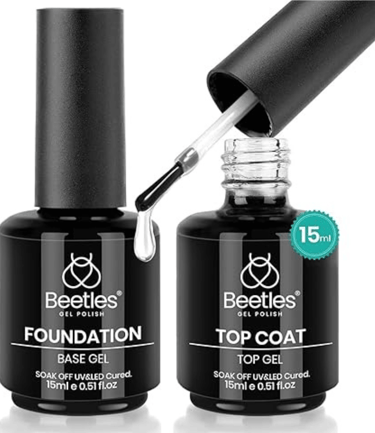
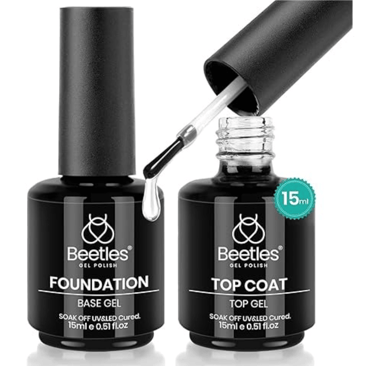
A properly performed gel manicure follows a precise sequence. The nails are shaped, and the cuticles are carefully refined. The natural nail plate is gently prepped to remove surface oils. A thin base coat is applied and cured. Thin color layers follow, each cured individually. Finally, a top coat is applied and cured to seal everything with a high shine.
When clients experience lifting or premature chipping, the cause is usually a technique issue. Incomplete prep leaves oils behind. Thick layers prevent proper curing. A product that touches the skin creates separation. Edges that aren’t sealed allow lifting to begin.
Longevity is built during prep. The polish itself is only part of the equation.
Gel Nails vs Regular Nail Polish
Both gel and traditional polish have their place. The right choice depends on how you live.
Gel is ideal if you want a manicure that lasts two to three weeks with minimal maintenance. It’s perfect for travel, events, busy schedules, and anyone who doesn’t have time for weekly touch-ups. The instant cure also means you can leave the salon and use your hands immediately without fear of smudging.
Regular polish, on the other hand, works beautifully if you enjoy changing colors often or prefer quick removal at home. It’s lower commitment and allows more flexibility in style changes.
The key point is this: gel is not inherently damaging. Problems usually arise from improper removal or aggressive handling.
Follow My Blog Subscribe to be updated on more posts that Im sure you will love
Is a Gel Manicure Right for You?
Choosing gel is about more than aesthetics. It’s about how you care for your nails between appointments.
Gel Is Best for You If
You use your hands constantly and need durability. You want a manicure that looks polished through daily wear. You’re entering a busy season where consistent maintenance isn’t realistic. You prefer shine that doesn’t fade.
Skip Gel (or Take a Break) If
You change shades frequently and don’t want to wait for proper removal. You have a habit of picking when lifting appears. Your nails are already extremely thin and you’re not ready to commit to hydration and careful aftercare.
As your nail tech, I will always prioritize the health of your natural nails. If gel isn’t serving that goal, we adjust.
Benefits of Gel Nails (Why Clients Stay Loyal)
Gel offers a balance of luxury and practicality. The extended wear time makes it appealing, but it's the consistent gloss that clients truly appreciate. There’s something powerful about knowing your nails look finished at all times.
Gel can also feel slightly more supportive than regular polish, which many clients with flexible nails find helpful. When maintained properly, it becomes a low-maintenance beauty routine that fits seamlessly into a busy lifestyle.
Are Gel Nails Bad for Your Nails?
This concern is understandable, but it’s often misunderstood.
In my professional experience, gel itself does not damage healthy nails. Damage typically occurs when gel is peeled off, scraped aggressively, or when the natural nail plate is over-buffed during prep. Lifting that leads to picking is another common cause of thinning.
There is also a persistent myth that nails need to “breathe.” Nails are made of keratin and are not living tissue. They do not require oxygen exposure. They require hydration, gentle handling, and proper removal techniques.
When gel is applied conservatively and removed correctly, the natural nail underneath remains intact.
Gel Nails Pros and Cons (The Real Trade-Off)
Pros
Gel provides extended wear, instant curing, and a consistently glossy finish. It offers mild structural support for flexible nails and eliminates the frustration of frequent chips.
Cons
Removal takes time and patience. The application must be precise to prevent lifting. It may not suit someone who enjoys constant color changes. Some clients prefer to limit lamp exposure, which is a personal choice.
Every service has trade-offs. The key is choosing what aligns with your habits.
At-Home Gel vs Salon Gel (What Beginners Should Know)
At-home gel has become increasingly popular, and it can work well with discipline and patience.
Salon Gel Is Ideal If You Want
Professional cuticle work, balanced shaping, and reduced risk while learning how gel behaves on your nails.
At-Home Gel Is Ideal If You Want
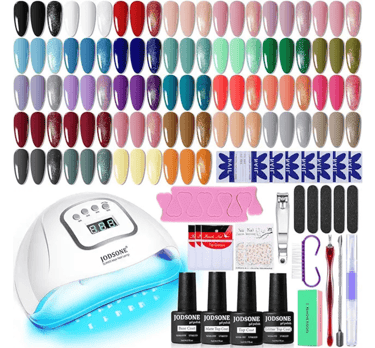
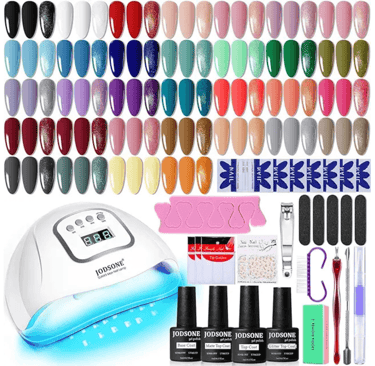
Flexibility and long-term savings. However, success depends on a thin application, clean prep, and extremely careful removal.
Many of the nail issues people associate with gel actually stem from rushed removal at home. Application mistakes can usually be corrected. Removal mistakes can weaken the nail plate.
Gel Nail Removal: Do’s and Don’ts
If there is one rule I repeat consistently, it is this: never peel gel.
Why Peeling Is So Damaging
Gel adheres strongly to the nail plate. When you peel it off, you often remove layers of your natural nail with it. This leads to thinning, peeling, and breakage that can take months to fully grow out.
Safe Removal
The top coat should be lightly filed to break the seal. The nails are then soaked until the gel softens and lifts naturally. If resistance is felt, more soaking time is required — not more force. After removal, consistent use of cuticle oil and hand cream restores flexibility and strength.
Dryness immediately after removal is normal. Hydration brings the nail back into balance.
Final Thoughts
Gel nails can absolutely be a beautiful, polished, and practical choice. The key is approaching them with intention. Clean prep, thin layers, disciplined removal, and consistent hydration are what keep gel from becoming a setback.
When done correctly, gel is one of the easiest ways to maintain elegant nails for weeks at a time. When rushed or peeled, it can create unnecessary damage.
If you’re ready to treat gel as a system rather than just a polish, it can be one of the most rewarding nail decisions you make.